
As an Amazon Associate I earn from qualifying purchases and sometimes recommend products from other sellers at no extra cost to you. For more details see my disclosure policy and privacy policy.
Walk down the baking aisle and it can feel overwhelming — there’s all-purpose, bread flour, cake flour, self-raising, whole wheat, and a dozen specialty options all staring back at you. Choosing the wrong one doesn’t just affect flavour; it can completely change the texture, rise, and structure of what you’re making. Once you understand why each flour works the way it does, baking becomes a whole lot less guesswork.
This guide breaks down the most common baking flours, when to use each one, how they compare to each other, and what to do when you run out of your usual bag mid-bake. Whether you’re just starting out or looking to branch into gluten-free or specialty flours, you’ll find what you need here.

Why You’ll Love This Guide
- No more mid-bake panic — know exactly which flour to reach for before you start
- Understand the science — learn why protein content matters and how it affects your bakes
- Easy substitution ratios — practical swaps when you don’t have the right flour on hand
- Covers everything from basics to specialty flours — including gluten-free and alternative options
What Is Flour, Really?
Flour is ground grain — most commonly wheat — and it forms the backbone of almost every baked good. The key thing that sets different flours apart is their protein content. When flour is mixed with liquid, those proteins bond together to form gluten, the stretchy network that gives bread its chew and cakes their structure.
Higher protein = more gluten = chewier, denser results. Lower protein = less gluten = lighter, more tender results. That’s why the same flour won’t work equally well for a crusty sourdough and a delicate sponge — they need completely different gluten levels to succeed.
In the US, flour is typically measured by volume (cups), while UK bakers more often weigh in grams. If you’re following recipes across both traditions — which you’ll likely do on a blog like this — a good kitchen scale takes the guesswork out of flour measuring entirely.
The Main Types of Baking Flour
All-Purpose Flour (Plain Flour in the UK)
All-purpose flour is the everyday workhorse of the baking world, with a protein content of around 10–12%. It’s versatile enough to handle most recipes — cookies, muffins, quick breads, pancakes, and even some cakes — without producing results that are too dense or too delicate.
In the UK, you’ll find this labelled as plain flour. The protein content is very similar, so US and UK recipes are generally interchangeable when calling for all-purpose or plain flour. If you only keep one flour in your kitchen, this is the one.
Bread Flour
Bread flour has a higher protein content than all-purpose — typically 12–14% — which means it develops more gluten when worked. That extra gluten is exactly what you want for yeast-risen breads, pizza dough, and bagels, where a chewy, structured crumb is the goal.
Using bread flour in a delicate cake recipe would give you something closer to a hockey puck than a sponge, so it’s worth keeping it for the right jobs. If you’re serious about bread baking, a bag of bread flour is a worthwhile investment. Storing it properly in an airtight container will keep it fresh for much longer — are great for this.
Cake Flour
At the opposite end of the spectrum sits cake flour, with a protein content of just 7–9%. It’s also more finely milled than other flours, which gives cakes an exceptionally soft, tender crumb. If you’ve ever had a really light, cloud-like layer cake, cake flour is likely behind it.
It’s more commonly found in the US than the UK, where a similar effect is often achieved by mixing plain flour with cornflour (cornstarch). Cake flour is particularly good for sponge cakes, chiffon cakes, cupcakes, and anything where a delicate texture is the priority.

Self-Raising Flour
Self-raising flour is simply plain flour with baking powder (and sometimes salt) already mixed in. It’s a popular staple in UK baking especially, and you’ll find it called for in many British scone, sponge, and pudding recipes.
The leavening agent is already balanced for general use, typically around 1–1.5 teaspoons of baking powder per 100g of flour. The downside is that it gives you less control over lift — if a recipe calls for a specific amount of baking powder, plain flour is usually the better choice. Self-raising also has a shorter shelf life than plain flour because the baking powder degrades over time.
Whole Wheat Flour (Wholemeal in the UK)
Whole wheat flour uses the entire grain — bran, germ, and endosperm — making it denser and more nutritious than refined white flours. The bran particles in wholemeal flour actually cut through gluten strands, which is why baked goods made entirely with whole wheat tend to be heavier and denser.
Most bakers get better results by replacing only part of the flour with whole wheat — typically 25–50% — rather than a full swap. It works beautifully in rustic breads, banana bread, and hearty muffins where a denser texture is actually a feature.
Flour Comparison Table
| Flour Type | Protein Content | Best For | Texture Result |
|---|---|---|---|
| All-Purpose / Plain | 10–12% | Cookies, muffins, quick breads, most everyday baking | Balanced — neither too light nor too dense |
| Bread Flour | 12–14% | Yeast breads, pizza dough, bagels, pretzels | Chewy, structured |
| Cake Flour | 7–9% | Layer cakes, cupcakes, chiffon cakes | Very tender, fine crumb |
| Self-Raising | 10–11% + leavener | Scones, British sponges, pancakes | Depends on bake |
| Whole Wheat / Wholemeal | 13–14% | Rustic breads, muffins, pancakes | Dense, hearty |
| Almond Flour | Very low (no gluten) | Gluten-free cakes, macarons, grain-free bakes | Moist, dense |
| Coconut Flour | Very low (no gluten) | Gluten-free muffins, pancakes | Very absorbent, needs more eggs |
Best Uses for Each Flour Type
Everyday Baking: All-Purpose Is Your Friend
For the majority of home baking, all-purpose or plain flour is the right call. Classic chocolate chip cookies, banana bread, blueberry muffins, pancakes, and crumbles all work beautifully with it. It’s forgiving, consistent, and widely available.
If you’re just building out your baking pantry, start here and branch out once you have a sense of what you’re making most often.
Yeast Breads and Pizza: Reach for Bread Flour
Any time you’re working with yeast — sandwich loaves, sourdough, dinner rolls, pizza dough — bread flour gives you better results than all-purpose. The extra protein means the gluten network can trap more gas from the yeast, giving you a better rise and a more satisfying chew.
That said, all-purpose will still work in most bread recipes in a pinch. The texture won’t be quite as chewy, but it won’t be a disaster.
Delicate Layer Cakes: Cake Flour Shines
If you want that bakery-style tenderness in a layer cake, cake flour is worth seeking out. It’s especially effective in white cakes, vanilla sponges, and anything with a very fine crumb. For recipes that call for folding in egg whites, cake flour’s lower protein content means less risk of overdeveloping the gluten while you work.
Hearty Bakes: Whole Wheat Adds Depth
Whole wheat flour adds a nuttier flavour and more substantial texture, which works in its favour for certain bakes. Try it in banana bread, oatmeal cookies, whole wheat pancakes, or rustic focaccia where a bit of depth is welcome. A 50/50 blend with all-purpose is a good starting point if you’re new to baking with wholemeal.
Specialty and Alternative Flours
Almond Flour
Almond flour is made from blanched, ground almonds and is naturally gluten-free. It produces moist, dense results and is popular in grain-free baking, French macarons, and low-carb recipes. Because it contains no gluten, it can’t be used as a straight substitute for wheat flour — recipes using almond flour are typically written specifically for it.
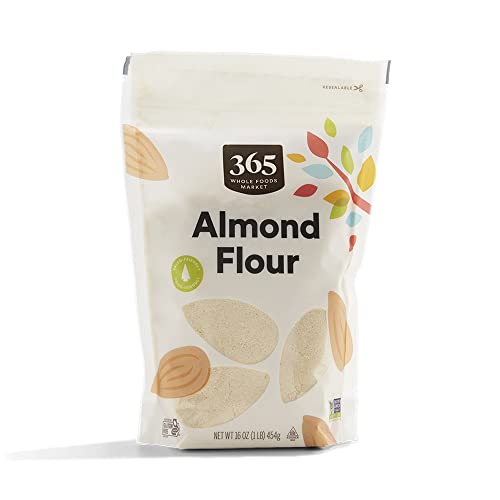
Store it in the fridge or freezer, as the natural oils in almonds can go rancid quickly at room temperature.
Coconut Flour
Coconut flour is perhaps the trickiest alternative flour to work with. It’s extremely absorbent — about four times more so than wheat flour — which means you need significantly more liquid and eggs in any recipe using it. A recipe developed for wheat flour cannot simply be swapped 1:1 for coconut flour.
That said, it’s naturally gluten-free and high in fibre, making it popular for certain dietary needs. Look for recipes specifically written for coconut flour rather than trying to adapt existing ones.
Oat Flour
Oat flour is simply rolled oats blended into a fine powder, and you can make it at home in a food processor. It has a mild, slightly sweet flavour and works well in pancakes, muffins, and softer cookies. It’s not entirely gluten-free unless made from certified gluten-free oats, so this is worth checking on the packaging if that matters for your bake.
Common Flour Substitutions (With Ratios)
Sometimes you’re halfway through a recipe and realise you’re out of the right flour. Here’s what to do.
Making Cake Flour from All-Purpose
For every 1 cup (120g) of cake flour a recipe calls for, use 3/4 cup plus 2 tablespoons (105g) of all-purpose flour and 2 tablespoons (15g) of cornflour (cornstarch). Sift them together well before using. This replicates the lower protein content of true cake flour.
Making Self-Raising from Plain Flour
For every 1 cup (120g) of self-raising flour, combine 1 cup (120g) of plain flour with 1.5 teaspoons of baking powder and 1/4 teaspoon of salt. This is one of the most useful substitutions to have in your back pocket, especially when following British recipes.
Substituting Whole Wheat for All-Purpose
Start by replacing no more than 25–50% of the all-purpose flour with whole wheat. If a recipe calls for 2 cups of all-purpose, try 1.5 cups all-purpose and 0.5 cups whole wheat. You may also need to add a splash more liquid, as whole wheat absorbs more moisture.
Substituting Bread Flour for All-Purpose
You can use bread flour in place of all-purpose in most recipes, but expect a slightly chewier, denser result. For cakes and tender quick breads, this swap isn’t ideal — it works best in cookies, flatbreads, and heartier applications.
Substituting All-Purpose for Bread Flour
Using all-purpose in a bread recipe will give you a slightly less chewy texture and a looser crumb. It works well enough in most home bread recipes, though sourdough and bagels will notice the difference most.

How to Measure Flour Properly
This is one of the most common sources of baking problems, and it’s surprisingly simple to fix. Never scoop your measuring cup directly into the flour bag — this packs the flour down and can add 20–30% more than the recipe intends.
Instead, use one of these two methods:
- Spoon and level: Spoon flour into your measuring cup until it’s heaped, then level off the top with a straight edge.
- Weigh it: Use a kitchen scale and go by grams. This is the most accurate method and the one professional bakers use.
If your cakes or cookies are consistently coming out too dense, overmeasuring flour is often the first thing to investigate.
How to Store Flour
White flours (all-purpose, bread, cake, self-raising) keep well at room temperature in a cool, dry place. An airtight container is much better than leaving flour in the paper bag, which can let in moisture or pests.
Most white flours will last 6–12 months in a sealed container. Whole wheat flour has a shorter shelf life because the natural oils in the bran can go rancid — keep it in the fridge or freezer if you don’t bake with it regularly. Almond flour and coconut flour also benefit from fridge storage.
A good habit is to write the purchase date on your container so you always know how fresh your flour is.
Flour FAQ
What’s the difference between plain flour and all-purpose flour? They’re the same thing — plain flour is the UK term, all-purpose is the US term. Both have a protein content of around 10–12% and can be used interchangeably in recipes.
Can I use self-raising flour instead of plain flour? You can, but you’ll need to reduce or remove any baking powder the recipe already calls for. Self-raising flour typically contains the equivalent of 1.5 teaspoons of baking powder per cup. If you add more on top of that, your bake may over-rise and then collapse.
Why does bread flour make bread chewier? The higher protein content in bread flour produces more gluten when mixed with liquid. That gluten network is what gives bread its elastic, chewy texture and helps it trap the gas produced by yeast, leading to a better rise.
Can I substitute almond flour for regular flour? Not on a 1:1 basis. Almond flour behaves very differently from wheat flour — it contains no gluten, absorbs liquid differently, and produces much denser results. Recipes using almond flour are generally written specifically for it rather than adapted from wheat flour recipes.
How do I know if my flour has gone bad? Fresh flour has a neutral, slightly wheaty smell. Flour that’s gone off smells musty, sour, or rancid — particularly whole wheat, almond, or coconut flour. If in doubt, trust your nose. Using stale flour won’t make you sick, but it will affect the flavour and sometimes the rise of your bakes.
Wrapping Up
Understanding flour is one of those foundational baking skills that makes everything else easier. Once you know the protein content difference between bread flour and cake flour, you stop wondering why your sandwich loaf turned out dense or your sponge came out tough — and you know exactly what to reach for next time.
Start with a good bag of all-purpose, and build from there as your baking repertoire grows. A kitchen scale will serve you better than any measuring cup, and proper flour storage will save you from more disappointing bakes than you’d expect.
If you’ve found this guide helpful, save it for the next time you’re mid-recipe and second-guessing your flour choice — it’s one of those references that comes in handy more than you’d think.
Continue Your Journey
- How to Perfectly Melt Chocolate — master another essential baking skill
- Banana Cream Pie — put your flour knowledge to use in a classic pie
Have a question about flour I haven’t covered? Drop it in the comments — I’d love to help you troubleshoot your next bake!


