As an Amazon Associate I earn from qualifying purchases and sometimes recommend products from other sellers at no extra cost to you. For more details see my disclosure policy and privacy policy.
Cream, in its various forms, stands as a pillar of dessert and baking recipes, infusing dishes with richness, flavor, and texture that elevate the ordinary to extraordinary. This guide dives deep into the world of creams, exploring their types, uses, and how they can transform your baking and desserts. Whether you’re a seasoned baker or a dessert lover looking to refine your skills, understanding the subtleties of cream will open up a new dimension in your culinary creations.

Introduction to the Versatile World of Creams in Baking
The incorporation of cream into baking and desserts is not just about adding richness; it’s about enhancing texture, layering flavors, and even introducing a luxurious mouthfeel to otherwise simple ingredients. Creams can be the hero of a dish, such as in a classic whipped cream topping, or they can play a supporting role, contributing moisture and tenderness to cakes and pastries.
The Science of Cream: Why It Works the Way It Does
At the heart of cream’s versatility in the culinary world is its unique composition, particularly its high-fat content. Cream is an emulsion of fat globules within a water-based fluid, stabilized by milk proteins. The fat percentage in cream determines its behavior in various culinary applications, ranging from pouring to whipping.
When you whip cream, you’re essentially forcing air into the liquid. The mechanical action disrupts the fat globules, causing them to partially coalesce and trap air bubbles. This process is facilitated by the temperature of the cream; colder cream holds air better because the fat is more stable, leading to a firmer whipped cream.
The fascinating part comes into play with the type of peaks you can achieve – soft or stiff. Soft peaks gently fold over themselves when the whisk is lifted, perfect for dollops on desserts. Stiff peaks, on the other hand, stand up firmly, ideal for piping and decorations. Achieving either depends on the whipping time and the fat content of the cream used. Higher-fat creams more easily and robustly form stiff peaks due to their increased ability to trap and hold air.
Understanding this science not only enriches your knowledge but also empowers you to use cream more effectively in your baking endeavors, allowing for better texture, stability, and overall results in your culinary creations.
Types of Creams
Heavy Cream
Heavy cream, with a fat content of about 36-40%, is the most versatile cream used in both cooking and baking. It can be whipped into soft peaks, churned into homemade butter, or added to sauces and soups for a velvety texture. In baking, heavy cream is often used to create luscious frostings, enrich bread doughs, and form the base of decadent custards and mousse.
Whipped Cream
Whipped cream is essentially heavy cream that has been beaten to incorporate air, resulting in a light, fluffy texture. It’s a quintessential topping for pies, cakes, and coffee but also finds its way into mousses and parfaits. The key to perfect whipped cream lies in the chilling process – both the cream and tools should be cold to achieve the best volume and stability.

Sour Cream
With a fat content around 20%, sour cream adds moisture and a tangy flavor to baked goods like muffins, cakes, and doughnuts. It can also temper the sweetness and add complexity to frostings and glazes. The acidity of sour cream tenderizes gluten in the flour, resulting in a softer texture in baked goods.
Double Cream
Double cream, boasting a fat content of around 48%, is richer and thicker than heavy cream. This cream is ideal for when a particularly rich, creamy texture is desired in recipes but is not suitable for whipping as well as heavy cream due to its higher fat content. It’s excellent in desserts that require a dense, creamy consistency, such as ganache, and can be a lavish addition to sauces and soups.
Clotted Cream
Clotted cream is a specialty cream with a fat content of at least 55%, known for its indulgent, thick texture and a slightly nutty, cooked flavor. Traditionally used in British cuisine, it’s a staple with scones and jam but can be incorporated into baking for an exceptionally rich flavor. Its thick texture makes it a unique topping for pies and fruit desserts, offering a luxurious contrast to the sweetness of the dishes it accompanies.
Light Cream
Also known as single cream, light cream has a fat content ranging from 18% to 30%. It is lighter than heavy cream but still offers a creamy texture and flavor to dishes. In baking, light cream is often used in recipes that call for a hint of creaminess without the weight of heavy cream, such as in quiches, light custards, and as a base for soups and sauces that accompany baked dishes.
How to Select the Right Cream for Your Recipe
Choosing the correct cream for your recipe depends largely on the desired outcome in terms of consistency, flavor, and fat content. For light, airy desserts, whipped cream or even half-and-half can be appropriate, offering a lighter fat content than heavy cream. For more indulgent, rich desserts, heavy cream provides the necessary fat percentage to achieve the creamy texture and flavor profile essential to dishes like ganache or clotted cream.
Heavy Cream:
- Chocolate ganache for truffles or cake filling
- Homemade ice cream for a rich and smooth texture
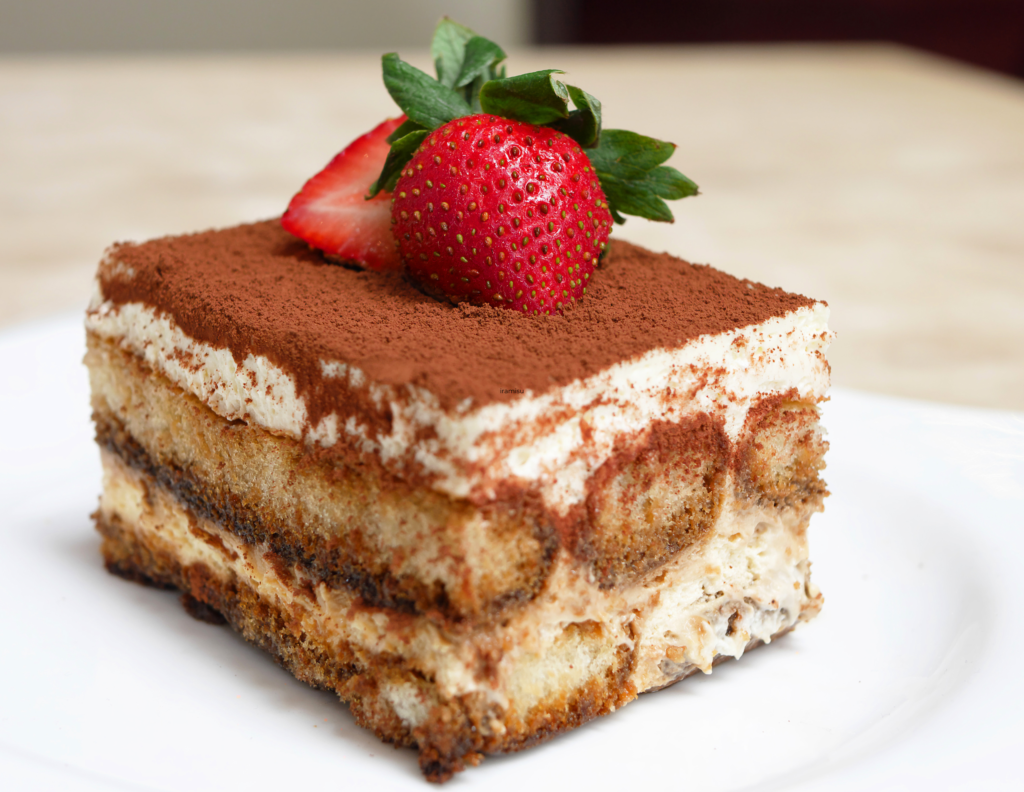
- Tiramisu, where it’s used in the mascarpone cheese mixture
Whipped Cream:
- Strawberry shortcake, as a light and fluffy topping
- Mousse desserts, providing an airy texture
- Cream-filled pastries and eclairs
Sour Cream:
- Coffee cake, offering moisture and a slight tang
- Cheesecake, for a creamy and rich texture with a bit of tang
- Doughnuts, to add moisture and tenderize the dough
Double Cream:
- Chocolate mousse, for an extra rich and decadent texture
- Clotted cream fudge, where its richness enhances the flavor
- Scones, served on top along with jam
Clotted Cream:
- Traditional British scones, as a rich topping
- Fruit crumbles, dolloped on top for added creaminess
- Victoria sponge cake, spread between the layers of cake along with jam
Light Cream:
- Quiches, to create a light and creamy filling
- Pancake and waffle batter, for a slight richness without heaviness
- Custards and puddings, where it provides a lighter texture
Seasonal Desserts Featuring Cream
Seasonal desserts provide a delightful way to celebrate the unique ingredients and flavors that each period of the year has to offer. Cream, with its versatile and rich character, forms an essential base for many of these treats, enhancing both texture and taste.
Summer brings a bounty of berries and stone fruits that blend perfectly with light, whipped creams in trifles or as toppings for elegant pavlovas. Imagine layers of sponge cake, fresh raspberries, and whipped cream tinted with a hint of lemon zest, embodying the essence of summer in every bite.
Autumn calls for the warmth of spices like cinnamon, nutmeg, and clove, which pair wonderfully with richer creams in desserts such as pumpkin mousse or creamy spiced apple parfaits. Heavy cream whipped into soft peaks can be folded into pumpkin puree seasoned with autumnal spices for a mousse that’s both light and indulgent, perfect for capturing the essence of fall.
Winter sees the use of heavier, richer creams in comforting desserts like clotted cream fudge or decadent chocolate ganache tarts that bring warmth and joy during the cooler months. Creamy textures and deep flavors dominate, offering solace and celebration through food.
Spring is the time for lighter, more refreshing desserts, often featuring early fruits like strawberries and rhubarb. A classic Victoria sponge cake, layered with strawberry jam and fresh whipped cream, makes for a delightful treat that celebrates the rebirth and freshness of spring.

By thoughtfully pairing the right type of cream with seasonal fruits, spices, and flavors, these desserts not only cater to the palate but also to the spirit of each season. Whether you’re looking for the perfect end to a seasonal celebration or merely wish to enjoy the flavors of the current month, there’s always a cream-based dessert that fits the occasion perfectly.
Tips for Properly Whipping and Stabilizing Cream
Achieving perfectly whipped cream is part science, part art. Use a chilled bowl and beaters and whip the cream on medium speed to avoid overbeating. For stabilization, powdered sugar, which contains cornstarch, or a small amount of cream of tartar can help maintain the structure, especially in warmer conditions.
To further enhance your skills in whipping cream to perfection, consider the following detailed tips and tricks:
- Chill Everything: Besides chilling the bowl and beaters, chilling the cream itself is critical. If possible, place the cream in the freezer for about 15 minutes before you plan to whip it. The colder the cream, the easier and quicker it will whip to the desired consistency.
- Start Slow: Begin whipping the cream at a low speed. This helps prevent splattering and ensures that the cream whips evenly. Gradually increase the speed to medium as the cream starts to thicken.
- Monitor Closely: Keep a close eye on the cream’s texture as it whips. It’s easy to go from soft peaks to butter if you’re not careful. Soft peaks gently fold over when the beaters are lifted, while stiff peaks stand up straight.
- Add Sugar at the Right Time: If you’re adding sugar, do it once soft peaks begin to form. Adding it too early can delay the formation of peaks, and adding it too late can cause the cream to become grainy.
- Incorporate Stabilizers if Necessary: For cream that needs to hold its shape for a while, especially in warm conditions or atop warm desserts, stabilizers are key. You can add about 1 tablespoon of powdered sugar per cup of cream for light sweetness and stability. For a non-sweet option, a quarter teaspoon of cream of tartar per cup of cream can be used.
- Don’t Overwhip: Once stiff peaks form, stop. Going further risks turning your cream into butter. If you do accidentally overwhip the cream, adding a little more liquid cream and gently folding it in can save the texture.
- Storage and Make-Ahead Tips: Whipped cream is best used immediately, but if you must store it, cover it tightly and refrigerate. It may need a gentle whisk or re-whip to refresh its texture before use. For make-ahead whipped cream, adding a stabilizer like gelatin can help it maintain its structure for up to 24 hours.
By mastering these tips, you’ll ensure your whipped cream is always light, fluffy, and stable, ready to elevate any dessert from good to great.
Creative Uses of Cream in Classic and Innovative Desserts
Cream is not confined to traditional uses; it’s a foundation for innovation in the kitchen. Consider infusing your whipped cream with herbs or spices for a unique twist on a classic. Or, use sour cream to add depth and balance to ultra-sweet caramel sauces and fruit-based desserts.
Innovative uses of cream can transform ordinary desserts into spectacular creations. For example:
- Infused Whipped Cream: Experiment by infusing whipped cream with lavender for a delicate flavor that pairs wonderfully with dark chocolate desserts or a citrusy lemon cake. Similarly, cardamom-infused whipped cream can offer an exotic twist to traditional pumpkin pie or apple crisp.
- Sour Cream Caramel Sauce: Incorporating sour cream into a homemade caramel sauce not only intensifies its creamy texture but also adds a complex tanginess, creating a perfect balance that complements sweet apple tarts or vanilla ice cream.
- Herb-Infused Light Cream for Panna Cotta: Elevate the classic panna cotta by using light cream infused with basil or mint. This not only adds a refreshing twist to the dessert but also pairs beautifully with fresh berries or a berry compote.
These specific examples showcase how cream can be used creatively to enhance both the flavor and texture of desserts, making each bite an unforgettable experience.
Healthier Alternatives to Cream in Baking
For those seeking healthier or dietary-compliant alternatives, coconut cream offers a superb vegan substitute, mirroring the richness and fat content necessary for many baking recipes. Nut-based creams, such as almond or cashew, can also provide wonderful alternatives, offering a different, but equally delightful, taste profile.
In baking and cooking, there are several healthier alternatives to traditional dairy cream that can be used without compromising on texture or flavor. Here’s a list of some great options:
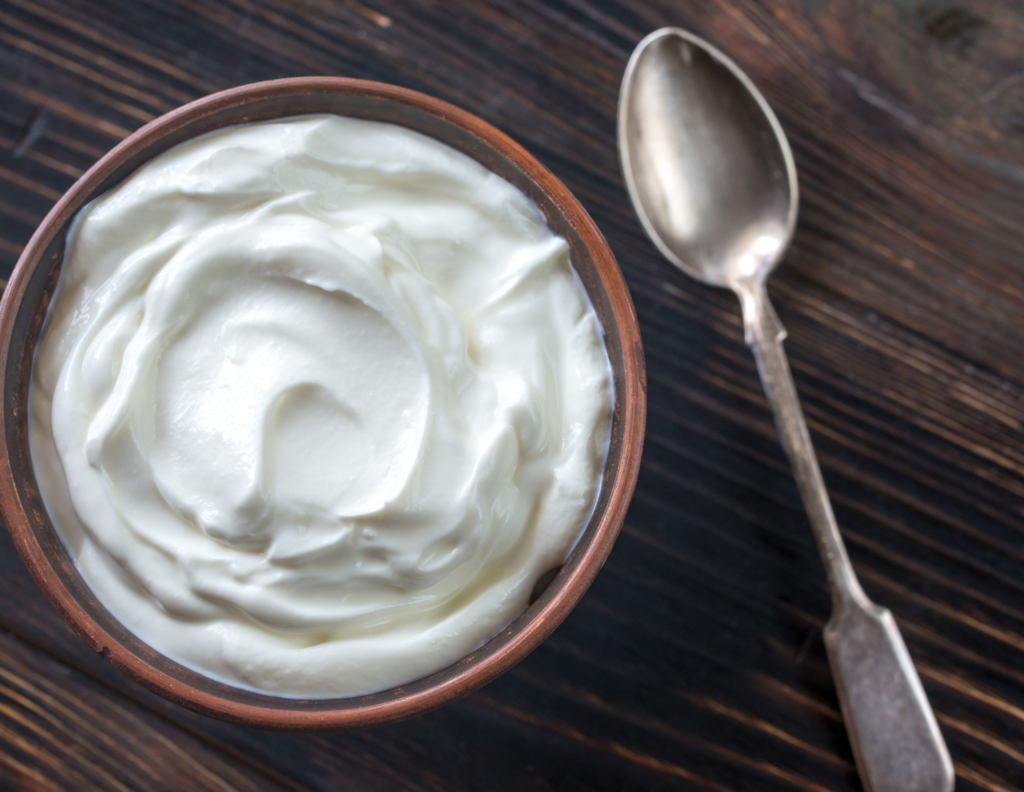
- Greek Yogurt: A thick, high-protein alternative to sour cream or heavy cream. It works well in smoothies, dips, and as a topping or mix-in for desserts.
- Coconut Milk: For those looking for a dairy-free option, full-fat coconut milk can give a rich texture to dishes, making it ideal for vegan recipes.
- Evaporated Milk: A lower-fat alternative to traditional cream, evaporated milk can be used in both sweet and savory dishes to add creaminess.
- Silken Tofu: Blended until smooth, silken tofu can substitute for cream in vegan and dairy-free dessert recipes, contributing to a creamy texture without added fat.
- Cashew Cream: Made from raw cashews blended with water, cashew cream is a versatile and creamy vegan alternative that’s great for soups, sauces, and desserts.
- Oat Cream: For those with nut allergies, oat cream is a fantastic option that works well in both cooking and baking, offering a neutral flavor and creamy consistency.
Each of these alternatives offers a unique set of nutritional benefits and can be used to make your favorite dishes healthier.
Conclusion: Experimenting with Creams to Elevate Your Baking Skills
The essence of baking with cream lies in experimentation and understanding the unique contributions of each type of cream. Learning how to manipulate these different forms of cream not only enhances your desserts but also deepens your appreciation for the subtle complexities of baking. By choosing the appropriate cream, mastering the technique of whipping, and exploring creative uses in recipes, you unlock a treasure trove of culinary possibilities that promise to delight and surprise with each bite.