As an Amazon Associate I earn from qualifying purchases and sometimes recommend products from other sellers at no extra cost to you. For more details see my disclosure policy and privacy policy.
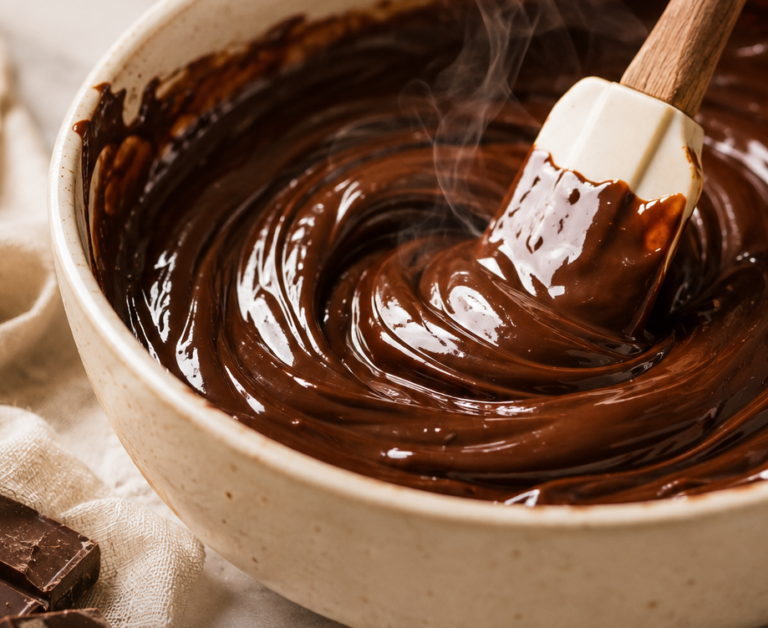
If you’ve ever pulled a batch of brownies from the oven only to find them dull, waxy, or strangely grainy, the problem probably wasn’t your recipe — it was your chocolate. Not all chocolate is created equal, and the bag of chocolate chips sitting in your pantry behaves very differently in the mixing bowl than a bar of couverture from a specialty shop.
This guide breaks down exactly what makes chocolate “good for baking,” walks through the best brands and formats for different jobs, and helps you figure out which chocolate deserves a spot in your baking drawer — whether you’re stocking up for weeknight cookies or leveling up your dinner-party desserts.
What Actually Makes Chocolate “Good” for Baking?
Before comparing brands, it helps to understand what you’re actually judging. Three factors separate great baking chocolate from mediocre chocolate:
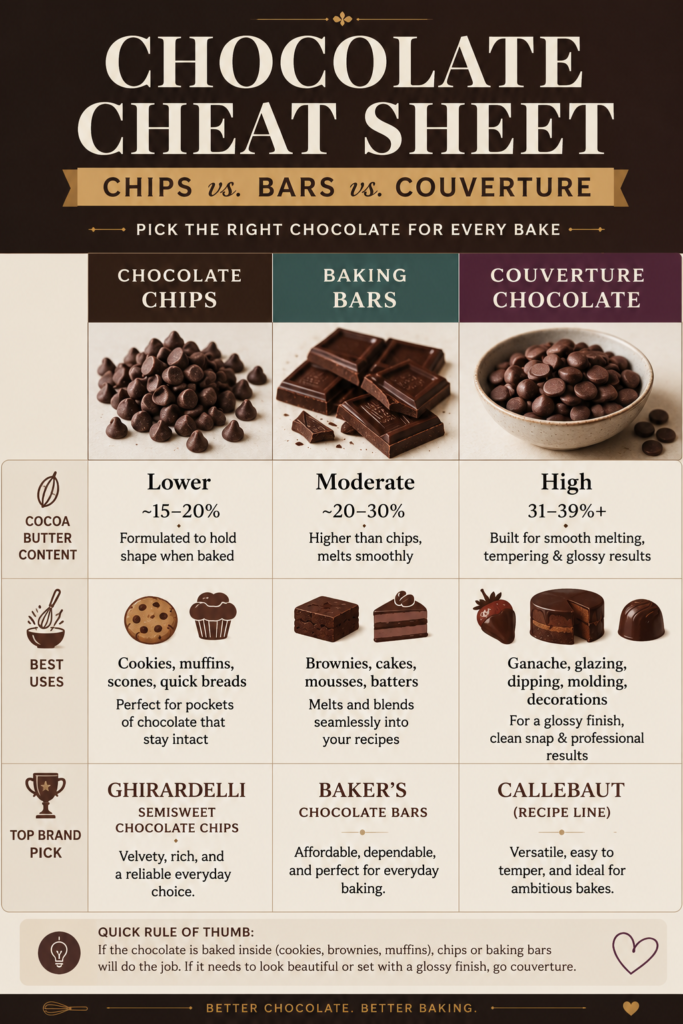
Cocoa butter content. This is the single biggest differentiator. Real baking and couverture chocolate is built around a high percentage of cocoa butter — often 31–39% — which is what gives melted chocolate its silky, fluid texture. Standard chocolate chips are formulated with less cocoa butter and often contain added stabilizers (frequently wheat- or soy-based) specifically so they hold their shape in the oven instead of melting into a puddle. That’s exactly why chips are great for cookies and terrible for ganache.
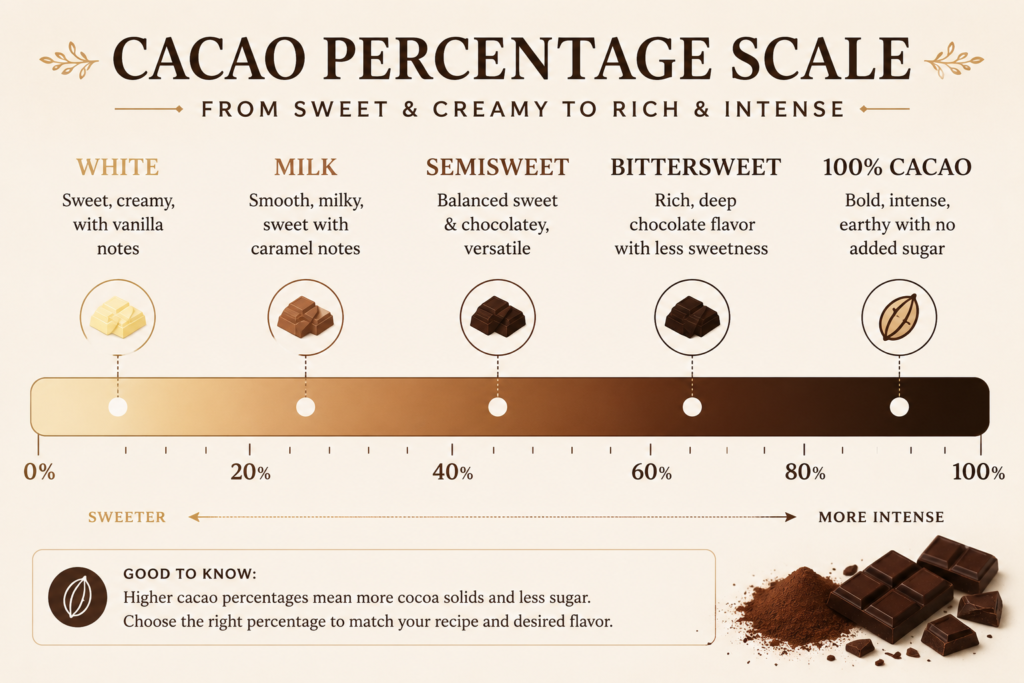
Cocoa percentage. This tells you roughly how much of the bar (by weight) is actual cocoa solids and cocoa butter versus sugar. Semisweet typically sits around 50–60%, bittersweet climbs toward 70%+, and couverture bars aimed at glazing and dipping often land in the 60–70% range with extra cocoa butter layered on top. Higher percentages mean more intense chocolate flavor and less sweetness, so it’s worth matching the percentage to your recipe rather than assuming “higher is always better.”
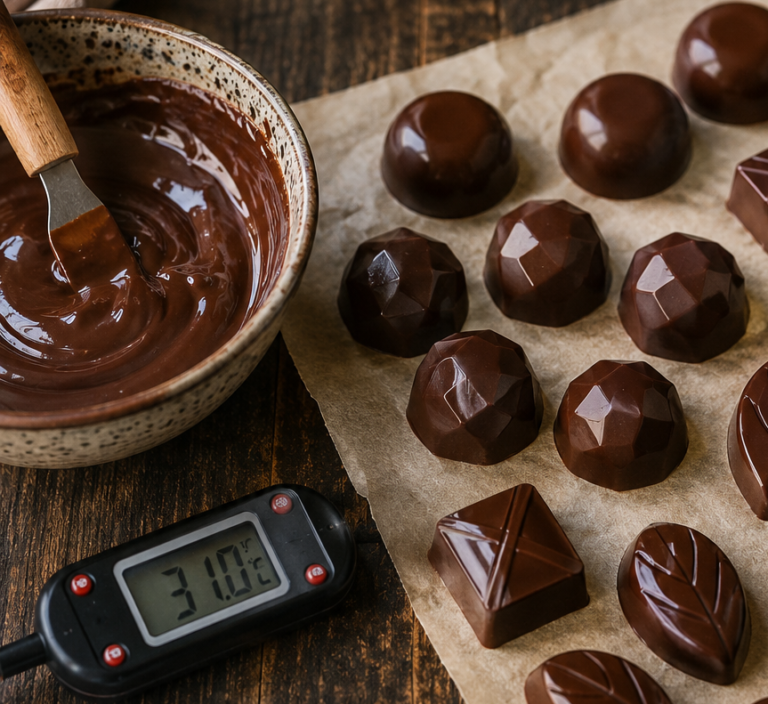
Melting behavior and snap. Good baking chocolate melts smoothly and evenly without seizing, and when tempered correctly it sets with a glossy finish and a clean, audible snap. This matters most for anything unmolded, dipped, or used as a decorative element — think chocolate bark, dipped strawberries, or a mirror glaze — and matters far less for a brownie batter that gets baked through.
Chocolate Chips vs. Baking Bars vs. Couverture
Chocolate chips (Ghirardelli, Nestlé Toll House, Guittard’s chip line) are formulated to hold their shape in the oven, which makes them ideal for cookies, muffins, and anything where you want distinct pockets of chocolate rather than a smooth melt. They’re affordable, shelf-stable, and available at any grocery store.
Baking bars are a step up — usually a higher cocoa butter content than chips, sold in bar form, and meant to be chopped and melted. These are your go-to for brownies, cakes, and mousse where the chocolate needs to fully incorporate into a batter.
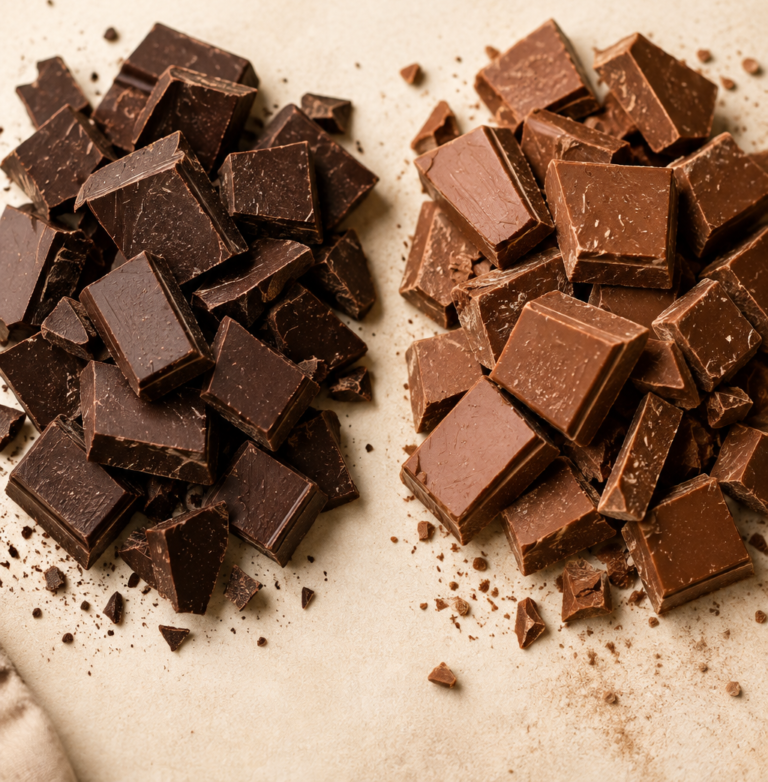
Couverture chocolate is the professional standard. With its higher cocoa butter content (typically 31%+), it’s ground finer, melts more smoothly, and tempers more predictably than either chips or standard baking bars. It’s the right choice for dipping, coating, molding, and any recipe where a glossy, snappy finish actually matters. If you’ve read our guide to tempering chocolate at home, couverture is the chocolate that reliably rewards the extra effort.
The Best Chocolate Brands for Baking, By Category
Best Everyday Chip: Ghirardelli Semisweet Chocolate Chips
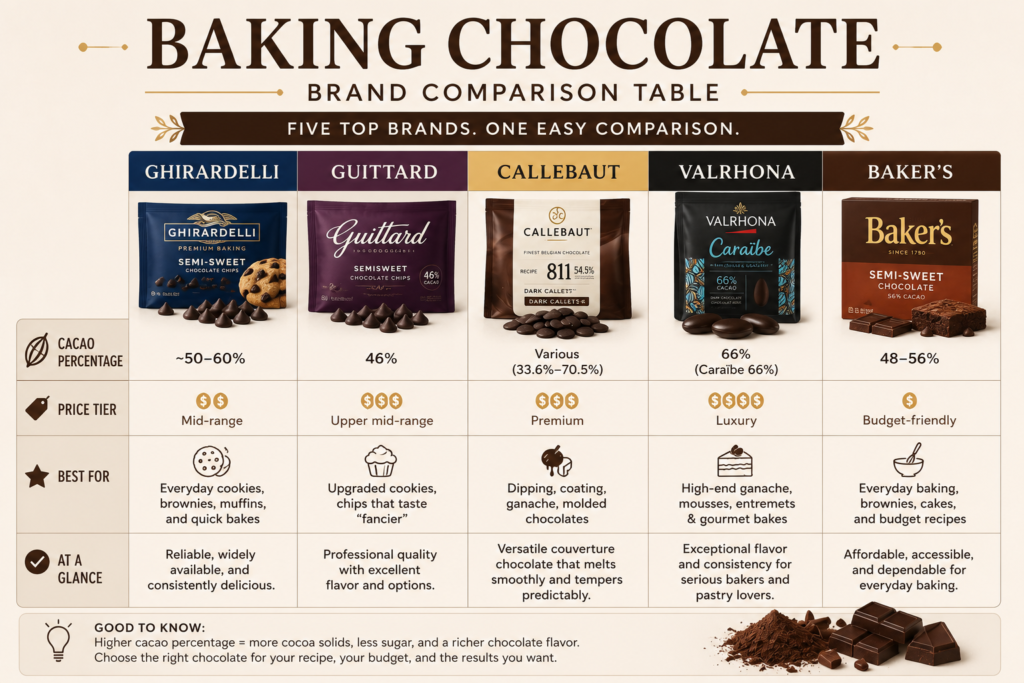
Ghirardelli’s semisweet chips consistently top taste tests for melting into “velvety, rich pools of chocolate” that punch well above their supermarket price point. The exact cacao percentage isn’t printed on the bag, but it generally falls between 50–60%, making these a reliable, affordable choice for cookies, blondies, and anything where chips get folded straight into the batter.
Best Splurge Chip: Guittard Semisweet Chocolate Chips
Guittard is a favorite among professional bakers, and its semisweet chips (46% cacao) taste noticeably “fancier” than typical grocery store chips without straying into bitter territory. Guittard also sells baking bars, wafers, and a 100% cacao option, so it’s a brand worth getting familiar with if you bake often.
Best All-Around Couverture: Callebaut
Callebaut has been producing Belgian chocolate since 1911, and its “Recipe” line of callets (small chocolate discs) is a favorite for home bakers dipping a toe into couverture territory for the first time. The discs melt evenly, temper predictably, and come in a range of cacao percentages, making Callebaut a versatile pick for dipped treats, ganache, and ambitious cake work.
Best Premium Couverture: Valrhona
Valrhona is the name most professional pastry chefs reach for when quality is non-negotiable. Its Caraïbe 66% is particularly well regarded for a balanced, roasted-nut finish and consistent tempering results batch after batch. It’s the most expensive option on this list, but a little goes a long way, and the flavor difference is genuinely noticeable in simple preparations like chocolate mousse or ganache where the chocolate isn’t masked by other ingredients.
Best Budget Baking Bar: Baker’s Chocolate
For everyday baking where cost matters more than pedigree, Baker’s unsweetened and semisweet bars remain a dependable, widely available option. They won’t wow a chocolate connoisseur, but they perform reliably in brownies, cakes, and drop cookies.
Do You Need Couverture, or Will Chips Do?
A simple rule of thumb: if the chocolate is going to be baked inside something (cookies, brownies, muffins, banana bread), standard chips or a baking bar will serve you perfectly well — you’re paying for flavor, not melting performance. If the chocolate is the finished surface — a dipped strawberry, a bark, a glaze, a molded candy — invest in couverture. The higher cocoa butter content is what gives you that professional shine and snap instead of a dull, streaky finish.
If you’re not sure which category your recipe falls into, our Types of Chocolate guide breaks down the differences between milk, dark, semisweet, bittersweet, and white chocolate in more detail, and pairs well with this post if you’re building out your pantry from scratch.
Storage Tips to Protect Your Investment
Good chocolate is only as good as how you store it. Keep bars and chips in a cool, dry place (65–70°F is ideal), away from direct sunlight and strong odors, which chocolate absorbs easily.
If you notice a dusty gray-white film on the surface of stored chocolate, that’s “bloom” — either fat bloom (from temperature swings) or sugar bloom (from moisture exposure). Bloomed chocolate is still safe to eat and bake with, but it won’t temper as reliably, so it’s best reserved for melting into batters rather than dipping or coating.
For melting techniques that avoid this issue altogether, see our guide to melting chocolate at home.
Frequently Asked Questions
Is more expensive chocolate always better for baking? Not necessarily. For recipes where chocolate is baked into a batter, mid-range chips or bars perform just as well as premium couverture, since the melting properties that couverture is prized for aren’t on display. Save the splurge for dipping, glazing, or simple preparations where chocolate flavor is front and center.
Can I substitute chocolate chips for baking chocolate bars? Yes, in most recipes, but expect a slightly less smooth melt since chips contain stabilizers that resist full liquefying. For ganache, ganache-based frostings, or anything requiring a fluid melt, a baking bar or couverture will give more reliable results.
What’s the difference between Dutch-process and natural cocoa powder, and does it matter here? That’s a separate question from bar/chip chocolate, but it’s a common point of confusion — Dutch-process cocoa is alkalized and milder, while natural cocoa is more acidic and used in recipes that rely on that acidity to react with baking soda. Worth knowing if a recipe calls for cocoa powder rather than bar chocolate.
Does cacao percentage tell you how “good” a chocolate is? No — percentage only tells you the ratio of cocoa solids/butter to sugar, not quality. A well-made 60% chocolate can taste better than a poorly sourced 85% bar. Percentage should guide sweetness level and recipe compatibility, not be treated as a quality score on its own.