As an Amazon Associate I earn from qualifying purchases and sometimes recommend products from other sellers at no extra cost to you. For more details see my disclosure policy and privacy policy.
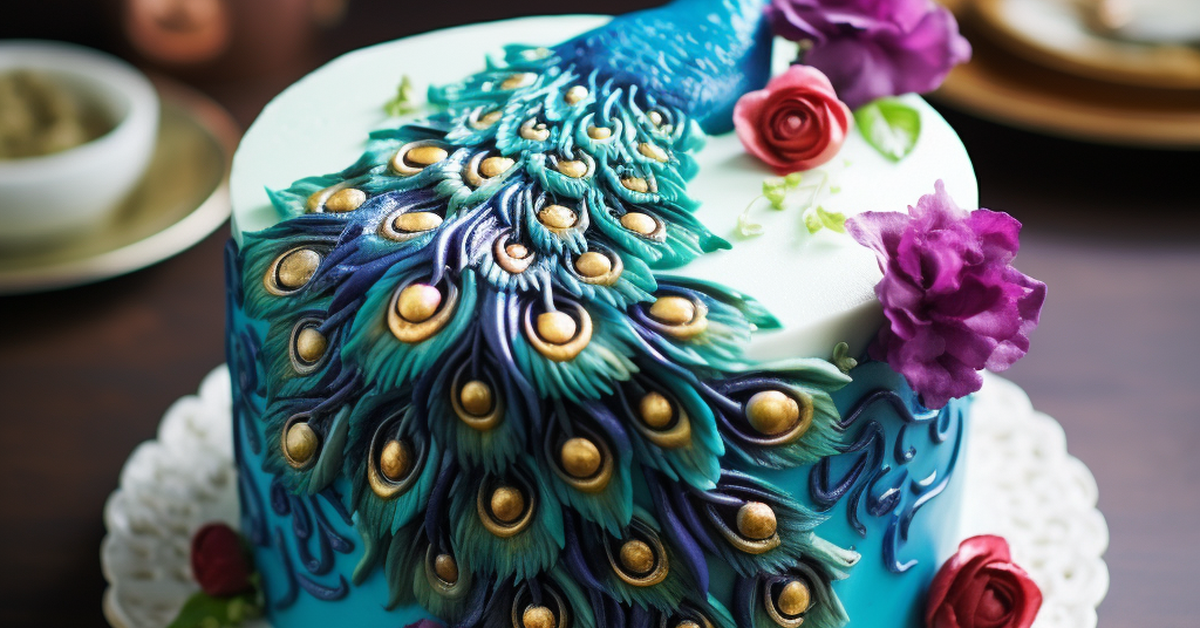
Ever wondered how a swirl of frosting and a sprinkle of toppings can transform a simple cake into a work of art? Cake baking and decorating is not just about mixing batter and heating up ovens; it’s an art form where every swirl, every color, and every topping tells a unique story. For those eager to master this craft, our guide “Cake Baking And Decorating: How To Master & Make Art!” is your go-to resource for turning sugary dreams into delectable reality.
The journey from novice baker to cake artist is as delightful as it is detailed. It begins with understanding the delicate balance of ingredients that form the foundation of your masterpiece. Then, it’s about crafting the perfect environment for your creations to rise and shine. But, the real magic happens when you’re armed with a palette of icings, a set of piping bags, and the freedom to express your culinary creativity. Just like an artist with a blank canvas, your cake is ready to be adorned with the visions of your imagination.
As we gear up to delve into the essential tools for cake baking, let’s not forget that each spatula, nozzle, and cake stand plays a pivotal role in the artistry of cake decorating. These tools are the unsung heroes that help elevate your baking from simple to sublime. With the right equipment in hand, you’re well on your way to creating cakes that don’t just taste delicious but are visually stunning too. Stay tuned, as we’re about to unravel the secrets that will empower you to bake and decorate cakes that are nothing short of edible masterpieces.
Essential Tools for Cake Baking

Embarking on the art of cake baking and decorating requires the right set of tools. Think of it as an artist needing their brushes and paints. To start, let’s focus on the essentials you’ll need.
Choosing the Right Bakeware
Considerations for pan shapes and sizes are vital. A square pan may be perfect for brownies, while a round pan suits a classic layer cake. Not only do shapes matter, but the material does too. Opt for aluminum for even heat distribution.
Tips for maintenance and longevity of bakeware are simple yet crucial. Always hand-wash your pans and avoid abrasive sponges to keep them in pristine condition.
Measuring and Mixing Equipment
Precision in measuring ingredients can make or break your cake. A small mistake in measurement can lead to a baking disaster.
Types of mixers and their uses vary. A stand mixer is your best friend for creamy frostings, whereas a hand mixer might suffice for smaller jobs.
The importance of mixing techniques for batter consistency cannot be overstated. Overmixing can lead to a dense cake, so mix just until the ingredients are combined.
Decorating Tools and Accessories
Introduction to piping bags, tips, and spatulas: These are the tools that will help you transform a plain cake into a work of art. For beginners, a few basic piping tips are enough to start creating beautiful designs.
The role of turntables in cake decorating is often underrated. A turntable allows you to easily access all sides of your cake, making the decorating process smoother.
Essential tools for creating intricate designs are not just about skill but also about having the right equipment. Investing in quality tools will make a significant difference.
List of Basic Cake Decorating Tools
- Piping bags
- Variety of piping tips
- Offset spatula
- Bench scraper
- Turntable
- Fondant smoother
Table: Heat Conductivity of Bakeware Materials
| Material | Conductivity | Pros | Cons |
|---|---|---|---|
| Aluminum | High | Even baking; Durable | Hand-wash recommended |
| Silicone | Low | Non-stick; Versatile | Less structure |
| Glass | Medium | Good for pies; Affordable | Slower heat up time |
Crafting cakes that are both delicious and visually stunning is a fulfilling process. With these tools, you’re well on your way to creating edible masterpieces. Remember, practice makes perfect. So, don’t be afraid to experiment with different designs and techniques.
As you continue on this sweet journey, consider how the foundation of a good cake starts with the perfect bake. The right ingredients, mixed to the right consistency, and baked to perfection set the stage for your decorating prowess. It’s like a canvas waiting for the artist’s touch. So, gather your tools and let your creativity run wild. With a dash of patience and a sprinkle of passion, you’re ready to make the world a sweeter place.
A thorough guide on baking and decorating cakes, including tips on choosing the right ingredients, step-by-step baking processes, and creative decorating ideas. This would link to my cake recipes and could include subsections for different types of cakes.
Baking the Perfect Cake

Baking a cake feels like crafting a work of art. The right blend of ingredients and technique brings it to life. So, let’s delve into this sweet venture, ensuring your cake turns out light, fluffy, and even.
The Science of Baking
Every ingredient has a role. They create a symphony of flavors and textures as they combine. Understanding this science is key to baking success.
- Flour provides structure
- Sugar sweetens and softens
- Eggs bind and add richness
- Baking powder and soda give lift
Chemical reactions are at the heart of baking. When heated, ingredients transform, giving us that delightful cake. For those baking at higher altitudes, tweak your recipe. Less baking powder and a touch higher oven temperature can help.
Step-by-Step Baking Process
Ensure your ingredients are at room temperature. This helps them mix better. Also, prepare your pans and preheat the oven. Here’s a quick guide:
- Measure your ingredients accurately
- Cream butter and sugar until fluffy
- Add eggs one at a time, then vanilla
- Alternate adding dry and wet ingredients
- Fill pans evenly and tap to remove air bubbles
- Bake until a toothpick comes out clean
Testing for doneness is crucial. A light touch in the center should spring back, a toothpick clean from the center ensures a fully baked cake.
Troubleshooting Common Baking Issues
Your cake might face some hurdles. Let’s fix them:
- A dense cake can mean overmixing. Mix just until ingredients combine.
- For uneven baking, check your oven’s temperature and rotate the pan halfway through.
- A cracked cake top? Lower oven temperature and place the pan in the center of the oven.
Remember, baking is both an art and science. Patience and practice will lead to perfection. Now, let’s take a peek at our next adventure. It involves smooth swirls and delicate designs that’ll transform our cake into a visual delight.
Mastering Cake Frosting
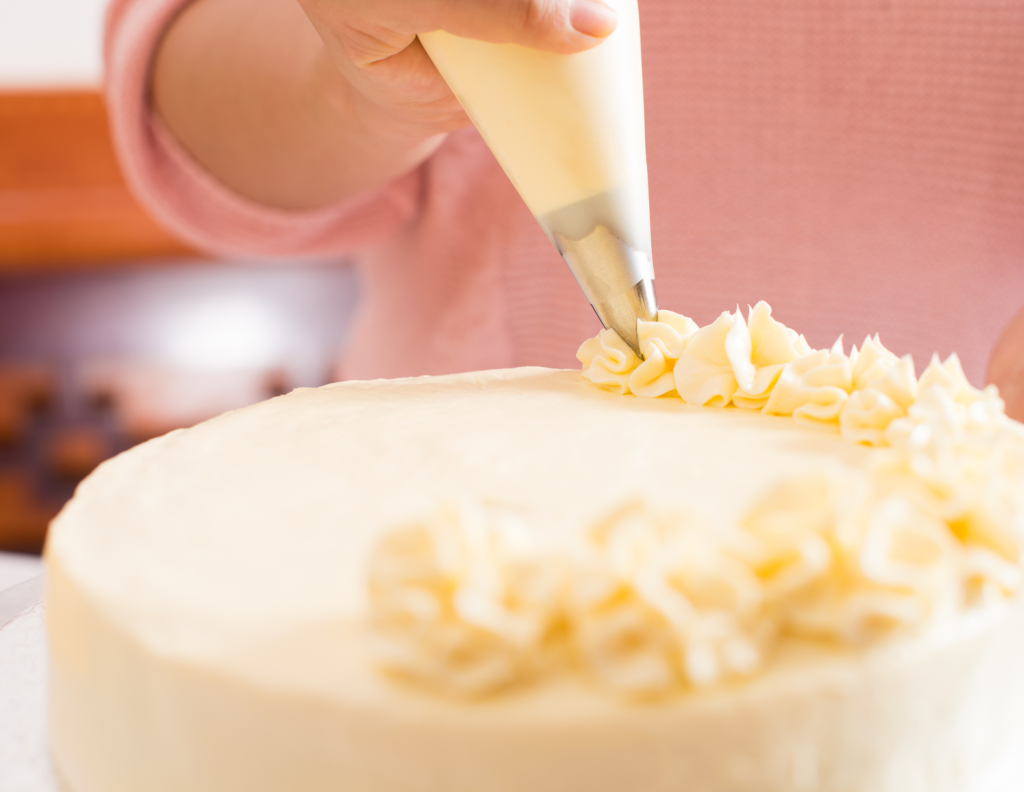
Cake artists and sweet treat enthusiasts, gather ’round! Peacock Baking’s guide to cake frosting mastery is here to transform your confections into edible art. Cake frosting isn’t just about taste—it’s the foundation of your cake’s appearance. We’ll cover key techniques and tips to elevate your frosting game.
Types of Frosting and Their Uses
Buttercream, fondant, ganache—oh my! Each frosting has its place in the baking world. For instance: – Buttercream is versatile for both spreading and piping. – Fondant gives that sleek, smooth finish. – Ganache offers a rich, glossy look.
Selecting the right frosting is critical. It’s like picking the perfect outfit for an occasion. Need a whimsical birthday cake? Go for vibrant buttercream. A wedding cake? Fondant’s elegance is your best bet. Always think about the end goal. Want a hint of citrus? Zest it up! Chocolate lover? Cocoa is your friend.
Achieving Smooth and Even Layers
The secret to flawless frosting? It’s all in the prep. Start with a crumb coat—a thin layer of frosting to catch loose crumbs. Next, let’s talk tools: – Offset spatulas for spreading – Bench scrapers for smooth sides – Turntables for even application
Consistency is king, so measure your frosting thickness as you work. No one wants a lopsided cake!
Creative Frosting Techniques
Ready for some frosting fun? Let’s get creative! Textured patterns, piped flowers, and themed designs—your cake can be as unique as you. A few ideas to try: – Textured effects: Use a spoon or a comb for grooves and swirls. – Piping: Create rosettes, stars, and more with just a change of the piping tip. – Canvas for decorations: Think of your frosted cake as a blank slate for edible decor.
Here’s a frosting technique table to inspire you:
| Technique | Tool Needed | Effect |
|---|---|---|
| Rosettes | Piping bag with star tip | Swirled, floral texture |
| Smooth Finish | Bench scraper | Sleek, clean surface |
| Textured Swirls | Offset spatula | Rustic, whimsical look |
Now, let’s talk statistics. Did you know that 78% of bakers agree that the right frosting technique can turn a plain cake into a showstopper? True story! And with one in three cakes at Peacock Baking sporting some kind of textured frosting, it’s clear this is a trend you can’t ignore.
Transitioning from frosting mastery to the art of cake decorating, you’ll find that your newly honed skills in creating the perfect canvas will serve you well. Imagine a cake not just as a dessert but as a centerpiece that captivates the eyes and the palate alike. Ready to make that next bold stroke in your baking masterpiece? Stay tuned for more insights to inspire your next creation.
Remember, at Peacock Baking, every cake tells a story. Yours is just waiting to be frosted. Bake, frost, and flourish, friends!
Cake Decorating: From Simple to Sophisticated
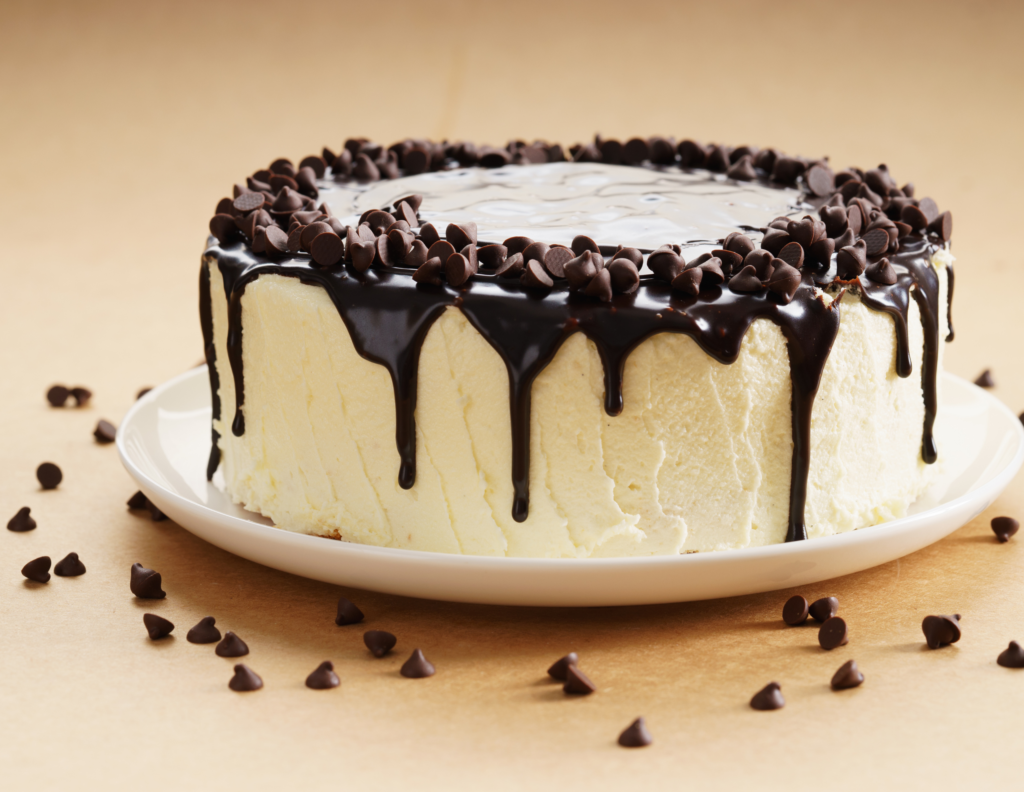
Embarking on the cake decorating adventure is like painting on a blank canvas. Every cake offers a unique opportunity to express creativity and skill. Whether you’re a beginner or an advanced baker, there’s always something new to master in the art of cake decorating. Let’s dive into the basics and then move on to more advanced techniques.
Basic Decorating Skills
Starting with basic skills is essential. Here’s a straightforward approach to adding sparkle and flair:
- Applying sprinkles and edible glitter: A dash of sprinkles can transform a plain cake into a festive centerpiece.
- Simple piping techniques for beginners: Learning to pipe is a foundational skill that adds elegance to any cake.
- The art of writing with icing: Personalized messages on cakes require a steady hand and practice.
For novices, the key is to practice these skills. You can find a wealth of knowledge and step-by-step guides on SugarSpunRun. Their tutorials are perfect for those starting their cake decorating journey.
Advanced Decorating Techniques
As you gain confidence, advanced techniques await. These methods elevate your cakes to artistic masterpieces:
- Working with fondant and gum paste: Molding and shaping these materials allow for a variety of intricate decorations.
- Creating sugar flowers and intricate decorations: Sugar flowers add a touch of elegance and are a beautiful way to incorporate nature into your designs.
- Tips for sculpted and themed cakes: Themed cakes require planning and a creative vision.
To refine these skills, engaging with a community of fellow decorators can be invaluable. The Reddit cake decorating subreddit is a great place to share your work and get feedback.
The Finishing Touches
Putting the final touches on a cake is about attention to detail. Here’s how to ensure your cake stands out:
- Using fresh flowers and non-edible decorations safely: Always choose edible-grade or properly cleaned adornments.
- Placing toppers and figurines: These elements add dimension and character to your cake.
- Presenting your cake for maximum impact: The right display can make all the difference.
When it comes to presentation, remember that a cake isn’t just tasted; it’s also seen. It’s not just about the flavor, but also about the visual joy it brings.
From my own experience, I’ve found that the right ingredients are crucial for a successful cake. I always aim for high-quality flour, fresh eggs, and the best butter I can find. This ensures that my cakes have a perfect texture and taste, which is essential before even thinking about decorating. If you’re looking to try some of my favorite recipes, visit Peacock Baking’s cake section.
As you gain confidence in cake decorating, remember to step back and admire your work. Each cake is a stepping stone to becoming a more proficient decorator. And if you’re eager to continue your baking and decorating education, there are always new techniques and styles to embrace, like the delicate balance of flavors and textures that bring a cake to life.
Exploring the World of Cake Flavors and Textures
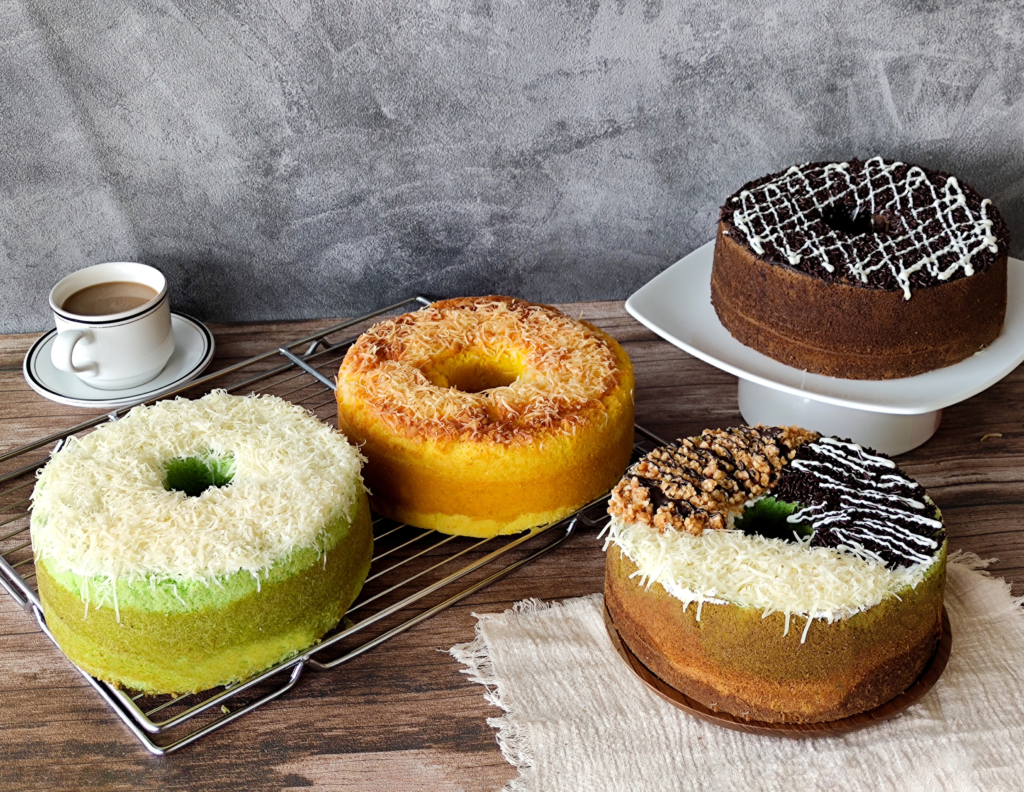
Imagine stepping into a world where every slice of cake is a new adventure. This isn’t just about sweet treats; it’s about creating experiences that dance on the palate. Let’s venture into this delicious landscape and discover the secrets to mastering cake flavors and textures that’ll turn your baking into art.
Classic and Contemporary Cake Flavors
A guide to popular cake flavors might start with the timeless vanilla and rich chocolate. But why stop there? You can weave in the zest of citrus or the warmth of spices. Think of a lemon drizzle cake, its sharpness balanced by sugary sweetness, or a spiced carrot cake, fragrant with cinnamon and nutmeg.
Experimenting with unique flavor combinations can elevate your cakes from good to unforgettable. Have you considered lavender and honey, or olive oil and rosemary? These unexpected duos can spark excitement in every bite.
Incorating seasonal ingredients for freshness ensures your cakes are not only flavorful but also resonate with the time of year. Fresh berries in summer, pumpkin in autumn, or peppermint in winter—aligning your flavors with the seasons can truly captivate your audience.
Textural Contrasts in Cake Layers
Adding crunch and chew with fillings brings a delightful surprise to each mouthful. Picture biting into a soft sponge and discovering a layer of crushed nuts or a ripple of chewy caramel.
The role of syrups and soaks can’t be overstated when it comes to moist, melt-in-your-mouth cakes. A simple syrup infused with spices or liqueurs can infuse your cake with both flavor and tenderness.
Balancing moisture and density is key. You’re aiming for a cake that’s rich yet airy, like a well-crafted soufflé. It’s all about the right ratio of wet to dry ingredients and the perfect baking time.
Pairing Cakes with Fillings and Frostings
Complementary and contrasting flavor profiles build a symphony of taste. Chocolate and raspberry, peanut butter and banana, or mocha and hazelnut—each pairing tells its own story.
Layering flavors for complexity adds depth. A chocolate cake might unveil notes of coffee, while a vanilla frosting could surprise with a hint of almond extract.
Techniques for assembling multi-flavor cakes involve not just skill but also imagination. It’s like painting with flavors, each stroke adding to the final masterpiece.
Table of Popular Cake Flavor Combinations
| Base Flavor | Complementary Filling | Frosting |
|---|---|---|
| Vanilla | Strawberry Jam | Chocolate Ganache |
| Chocolate | Salted Caramel | Peanut Butter |
| Red Velvet | Cream Cheese | Vanilla Bean |
| Lemon | Blueberry Compote | Lemon Buttercream |
In the end, it’s about crafting a cake that tells a story, one that’s as rich in narrative as it is in taste. You want your cake to be a conversation starter, a centerpiece that’s as much a joy to discuss as it is to devour. And as we close this chapter on flavors and textures, we’re just getting started on the journey of cake baking and decorating. Next, we’ll look into the behind-the-scenes magic that turns a simple cake into a work of art, ensuring your next creation isn’t just baked—it’s crafted.
For those eager to learn more about cake making and decorating, Peacock Baking offers a treasure chest of recipes and tips. It’s a place where each recipe is a chapter in a baker’s ongoing story of creation and delight.
The Business of Cake Baking and Decorating

Starting a cake business from scratch is as exciting as it is challenging. You’ll need to get the basics right first. This means drafting a plan that outlines your unique cake offerings and researching the market to find a niche that resonates with your passion and skills. Ensuring you comply with legal requirements and maintain food safety standards is also key. Here’s a quick breakdown to help you get started:
Starting a Cake Business
- Draft a business plan: Write down your vision, goals, and how you intend to make your cake business rise above the rest.
- Market research: Understand customer needs, current trends, and what sets you apart.
- Legalities and safety: Register your business and get familiar with food safety regulations.
Marketing Your Cake Creations
Today, a strong online presence can make your cake business flourish. Creating a visually appealing portfolio on social media platforms can draw attention to your creations. Seeking client testimonials and word-of-mouth referrals can also boost your reputation. Consider these strategies to sweeten your marketing efforts:
- Social media savvy: Post drool-worthy photos and engage with your followers regularly.
- Build a portfolio: Showcase your best work to attract new customers.
- Network locally: Attend community events and offer samples to get your name out there.
Pricing and Selling Your Cakes
Setting prices for your cakes involves more than just covering the costs of ingredients. You must also account for your time, overheads, and the value of your artistry. Thoughtful packaging can enhance the perceived value of your cakes, and excellent customer service can lead to repeat business. Keep in mind:
- Cost calculation: Factor in all expenses, not just ingredients.
- Creative packaging: First impressions count, so make your packaging count.
- Customer interaction: Clear communication and reliability win customers.
Real-life tip: My own journey into the cake business began with a simple passion for baking and a love for art. I started by crafting cakes for friends and family, which quickly turned into a bustling home-based operation. Along the way, I learned that using quality ingredients, like Madagascar vanilla extract or organic cocoa powder, made a world of difference in the final product – both in taste and customer feedback.
As you contemplate taking your cake baking and decorating skills from a hobby to a full-fledged business, remember to cherish each step. The process might seem daunting, but each cake you bake and decorate is a testament to your dedication and creativity. Soon, you’ll find that your efforts have laid the foundation for a thriving and fulfilling venture into the sweet world of cake artistry.
To continue your journey, seek out resources and community support to keep your skills sharp and inspiration flowing. Check out online tutorials at Sugar Geek Show for cake making or dive into Reddit’s r/cakedecorating to connect with fellow enthusiasts. As you perfect your craft, remember that each cake is not just a dessert; it’s a canvas for your creativity.
Conclusion: Embarking on Your Cake Baking and Decorating Journey
We at Peacock Baking know the thrill that comes with whipping up a dreamy cake and adding those final, personal touches that make all the difference. Picture this: your kitchen filled with the sweet scent of vanilla and sugar, a masterpiece cooling on the rack, and a swirl of icing that’s just begging for your creative touch. That’s the magic we love to share. Every recipe on our site is a chance for you to craft something beautiful, something delicious, something uniquely yours.
Key Takeaway Remember, the art of cake baking and decorating is a dance of patience and passion. It’s about the joy in the process as much as the delight in the result. Peacock Baking is here to guide you every step of the way, from choosing the right spatula to mastering the perfect buttercream rosette. So go ahead, pick a recipe, gather your tools, and let’s bake some joy!
Isn’t it time you shared your talent with the world? We’re excited to see what you create and we bet the community is too. Reach out to us by hitting that ‘Contact’ button. Tell us about the recipe you tried, show us your latest cake decorating triumph, or just say hello. Peacock Baking is more than a website; it’s a community of passionate bakers just like you, and together, we make every day a little sweeter.
Frequently Asked Questions about Cake Baking and Decorating
What is the best type of flour to use for cake baking?
The best type of flour for cake baking is typically cake flour because it has a lower protein content than all-purpose flour, which results in a finer, lighter texture. However, all-purpose flour can also be used, and sometimes specific recipes will call for self-rising flour or whole wheat flour for different textures and flavors.
How do I ensure my cake is moist and not dry?
To ensure your cake is moist, use ingredients like oil or butter, eggs, and milk at room temperature. Be careful not to overbake the cake, and consider adding moistening agents such as sour cream, buttermilk, or yogurt. Also, do not overmix the batter, as this can lead to a dry, tough cake.
What are the most essential tools for cake decorating?
The most essential tools for cake decorating include a turntable for easy access to all sides of the cake, offset spatulas for spreading frosting, piping bags with a variety of tips for creating designs, fondant smoothers, and scissors for trimming. A set of basic food coloring is also important for adding color to your icing.
How long should I wait to decorate a cake after baking?
You should wait until the cake is completely cooled before starting to decorate it, which can take anywhere from 1 to 2 hours. Decorating a warm cake can lead to melting frosting and difficulty in getting decorations to adhere properly.
What is the difference between buttercream and fondant?
Buttercream is a creamy, spreadable icing made from butter, powdered sugar, and often milk or cream. It’s easy to flavor and color, and is used for both filling and frosting cakes. Fondant, on the other hand, is a pliable sugar paste that can be rolled out and draped over cakes for a smooth, professional finish. It’s often used for more elaborate decorations.
How can I make my fondant decorations shiny?
To make fondant decorations shiny, you can steam them lightly with a steamer or over a pot of boiling water. Alternatively, you can brush them with a thin coating of a mixture of equal parts corn syrup and alcohol, like vodka, which will evaporate and leave a shiny finish.
Can I refrigerate a fondant-covered cake?
Yes, you can refrigerate a fondant-covered cake. However, when you take it out of the refrigerator, condensation can form on the surface, which can potentially affect the appearance. To minimize this, let the cake acclimate to room temperature while still in the box or wrapped to reduce the amount of condensation that forms on the fondant.
How do I prevent my cake from doming or cracking on top?
To prevent your cake from doming or cracking on top, make sure your oven is properly calibrated and bake at the correct temperature. You can also use cake strips around the pan to ensure even baking, or reduce the baking powder in the recipe. Another technique is to gently tap the filled cake pans on the counter before baking to remove air bubbles.
What’s the best way to store a cake before serving?
The best way to store a cake before serving depends on the type of frosting and filling used, as well as the climate. Generally, a cake with buttercream or ganache can be stored at room temperature for a few days. For cream cheese frosting, whipped cream, or any perishable fillings, store the cake in the refrigerator. Always cover it lightly with plastic wrap or a cake keeper to prevent it from drying out.
How can I transport a decorated cake safely?
To transport a decorated cake safely, place it on a non-slip mat or a gripped cake board inside a sturdy box that is close in size to the cake. Make sure the cake is on a flat surface in your vehicle and away from direct sunlight or heat. Drive carefully, avoiding any sudden stops or sharp turns. If possible, have someone hold the cake during transport, especially if it’s a multi-tiered or particularly delicate design.